
Heineken: The Wall That Wasn’t

The Situation
Heineken had everything a global brand could want: recognition, resources, and a loyal consumer base built over generations. What they did not have was a direct relationship with the people buying their beer, and the accepted explanation for why was regulation. The U.S. Three Tier System required alcohol sales to move through distributors and retailers. Heineken spent significant marketing budget driving consumers toward their brand with no visibility into what happened after. The money went out. The data did not come back. The assumption was that this was simply how the industry worked, and that assumption had become institutional.
What Was Actually Broken
The constraint was real. The conclusion drawn from it was not. The Three Tier System did not prevent Heineken from building a direct consumer relationship. It defined the parameters that relationship had to work within. The difference between those two readings is the difference between a ceiling and a brief. The behavior that had formed around the regulation was to treat it as a wall and stop there. The question nobody had asked was what becomes possible if you treat the wall as a set of design parameters instead. That question had not been asked because asking it meant taking on the complexity of an answer, and the existing behavior was easier to maintain than the complexity was to navigate.
The Turning Point
Reframing the regulation from a barrier to a constraint changed everything about how the problem was approached. Constraints have solutions. Barriers do not. Once the question shifted from what we cannot do to what we can do within these specific parameters, the path forward became visible. The work that followed was complex, coordinating across legal teams, global and domestic stakeholders, technology partners, and retail integrations simultaneously. But the complexity was navigable because the direction was no longer in question.
What Changed
Heineken launched what became the first legal direct-to-consumer beer commerce platform in the industry. For the first time, marketing spend could be traced to purchase behavior, which changed how the organization evaluated and allocated resources. The framework built for the U.S. market gave global teams a model for localized versions.
The global team had also started building the BeerMat, a scale tied to an app that knew how much beer you had left and could push you to reorder from the store. They asked for my feedback. That turned into testing with real people, and pushing the team building it to fix the bugs before 10,000 units went to market. Working directly with the global team and showing them their gaps through testing is what made the case that Heineken needed this discipline globally.
The engagement produced a role within Heineken’s global structure that had not existed before the work began. The organization that had accepted a regulatory constraint as a permanent limitation left with a new model for operating within it and a new way of thinking about what constraints are for.
Inside The Work
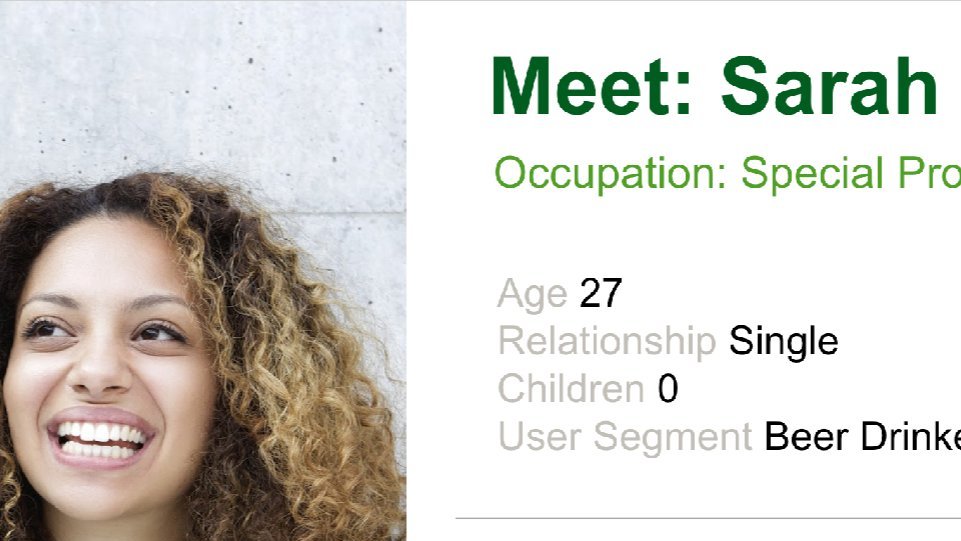
Customer Definition
Every brand has opinions about who buys. Internal insights, analytics, site feedback and consumer research turned into personas, so every requirement traced back to a real buyer.
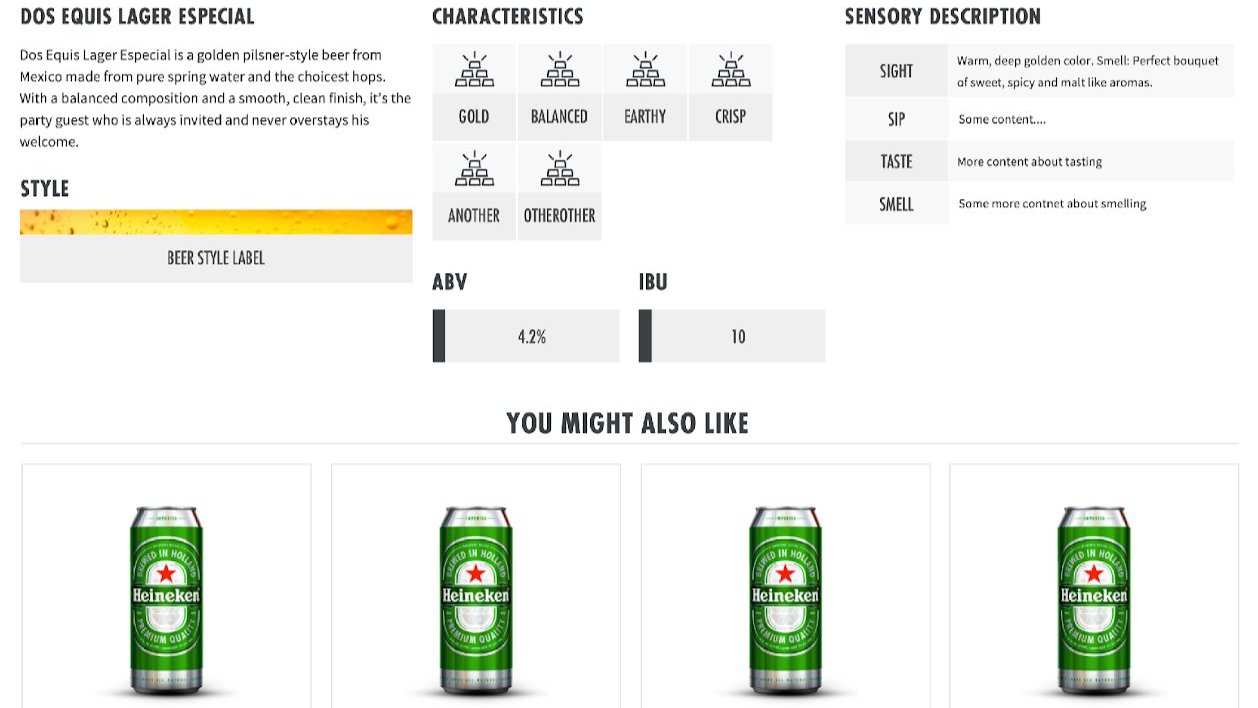
Content Operations
Brand teams know their beer better than any agency. A content process run with them turned that knowledge into organic search traffic and orders.
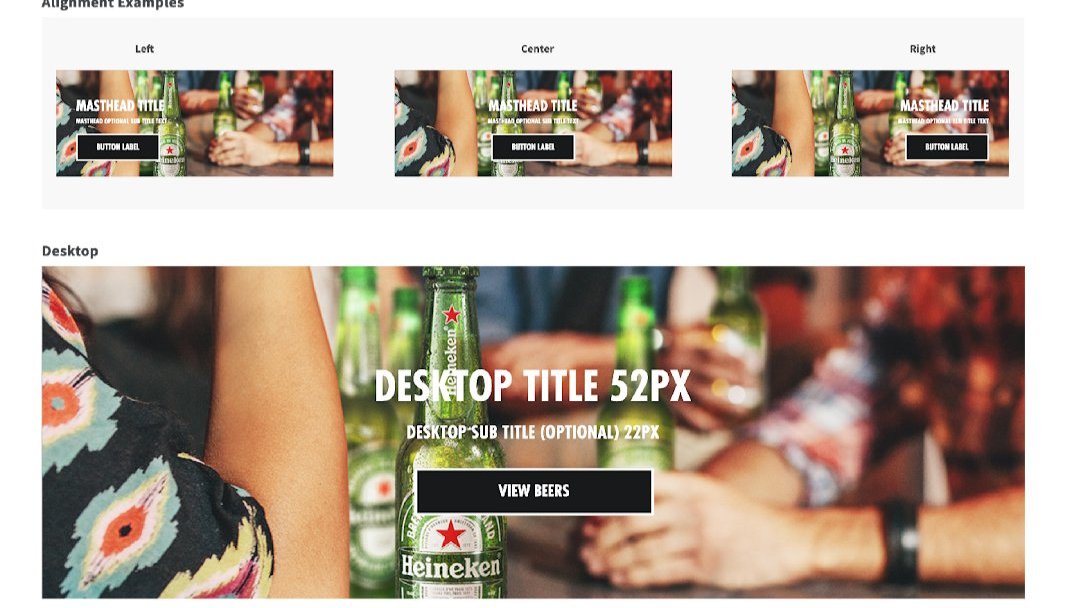
Service Requirements
When a launch depends on partners, everyone needs the same plan. The platform had to run campaigns by location across Drizly, Minibar and future partners, so we defined what it needed before anything was built.
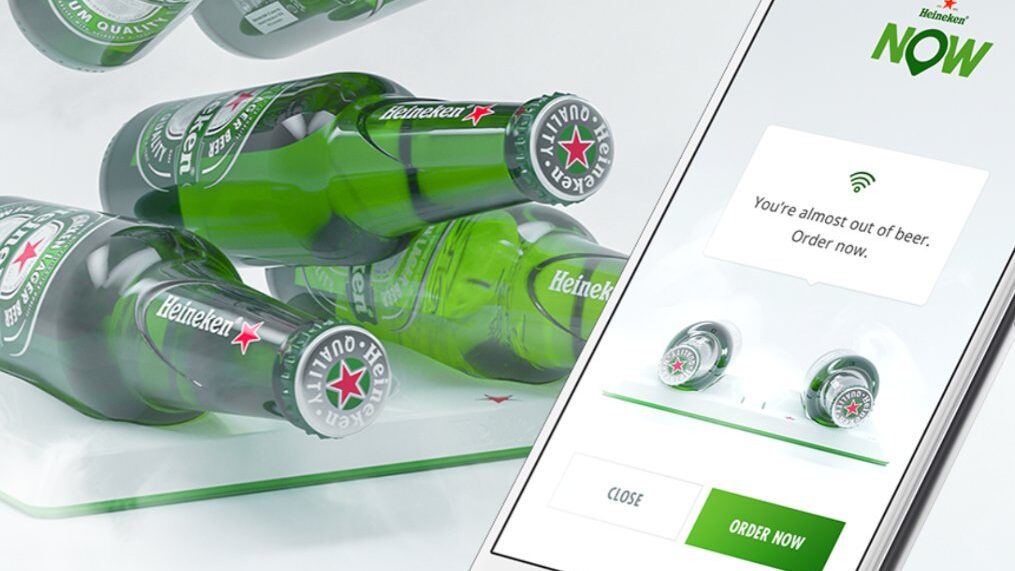
Heineken BeerMat
Global was building a smart scale “The BeerMat” that could inform you of how much beer you had left in your fridge via an app. I was brought on to support the team testing the full UX with real users and improved several critical bugs before 10,000 units shipped.
Frank’s Take
Organizations develop beliefs about what is and is not possible, and those beliefs harden into behavior. The belief rarely gets examined because the behavior it produces feels like the only rational response to the situation. The situation usually looks different when someone comes in and asks what the belief is actually based on. The question is almost always simpler than the organization expects. The answer is almost always already in the room.