
BBQ Guru: Evolving A Hardware Brand
The Situation
BBQ Guru had built a loyal following on temperature controllers trusted by backyard cooks and competition pitmasters alike. But watching a cook still meant plugging the controller into a computer. That worked until the market moved. Competitors were launching WiFi and Bluetooth grills, and BBQ Guru had a new connected pit monitor on the way with no app to run it. I was brought in to lead the experience for the brand’s first app.
What Was Actually Broken
The request was an app. The real challenge was a product made of three pieces owned by different people: the hardware, the firmware inside it, and the app on the phone. Each had its own plan, and none of them had been planned together. With hardware, that’s an expensive gap. An app can be updated next week. A device in thousands of backyards can’t.
The Turning Point
We started with an immersion workshop covering the business needs, both kinds of cooks and seven competitors. That session surfaced features worth adding beyond the original request, and made clear the firmware had to grow to support them. So we expanded the firmware with the client team and left room in the controller for what the app would do later. The client had planned to reuse its existing branding for the app. Seeing what connected grills were doing made the case for a new direction. Before any design work started, annotated wireframes and a clickable prototype got the client, the firmware team and the developers agreeing on exactly what the product did.
What Changed
BBQ Guru launched its first connected app, with a pit monitor, firmware and app that worked as one product. A phased roadmap got it to market faster while giving everyone a clear view of what came next, and the hardware already had room for it.
Inside The Work
Competitive Scan
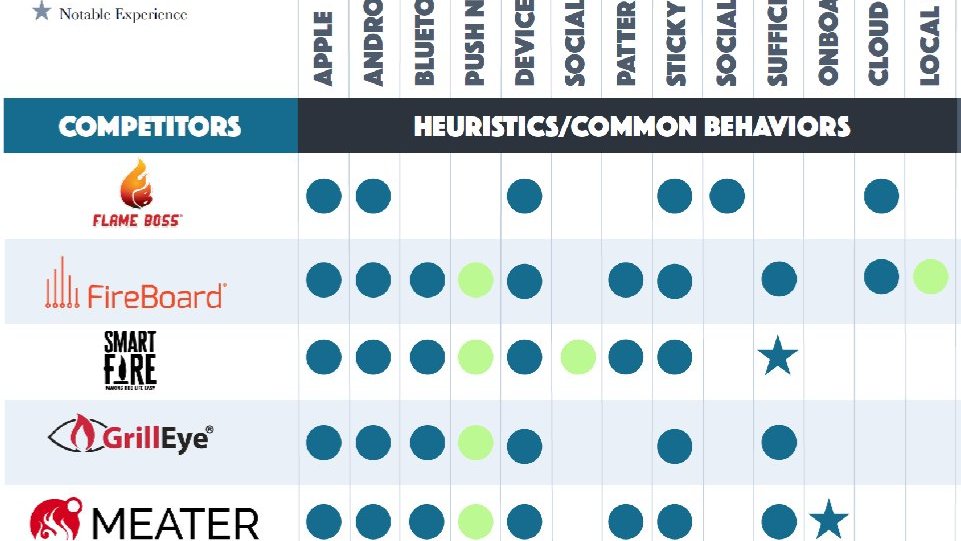
You can’t win a market you haven’t looked at. Seven competitors reviewed to see what the launch had to beat for backyard cooks and competition pitmasters.
Connected Pit Monitor
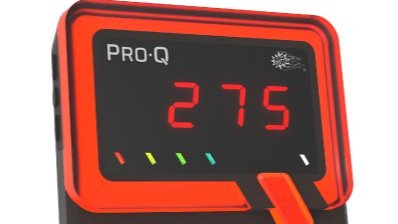
Cooks previously had to plug into a computer to watch a cook. Which worked until the market evolved. Planning the pit monitor, firmware and app together made setup, pairing and real-time control work as one product, with room to grow and compete.
Immersion Workshop
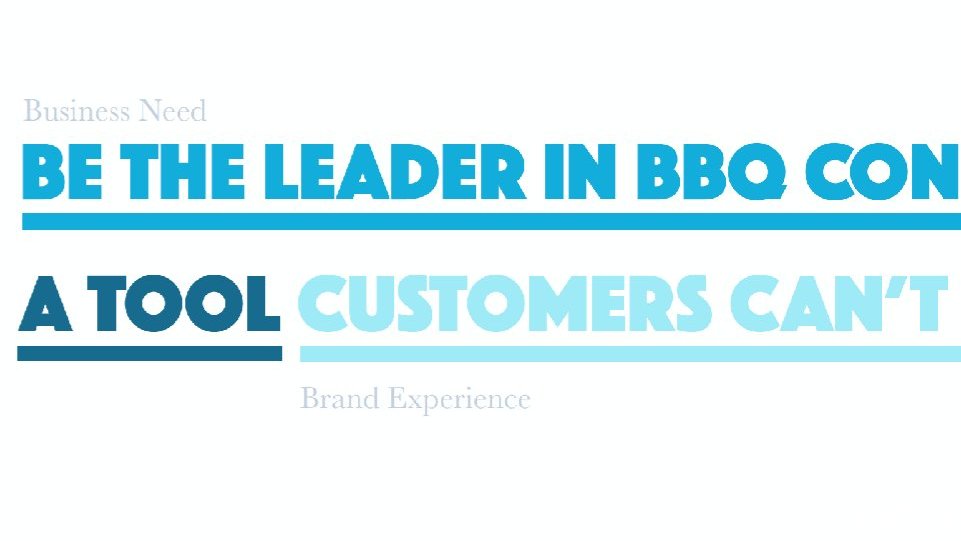
I find an immersion workshop is the fastest way to close communication gaps. One session on business needs, users and competitors surfaced new opportunities before anything was built.
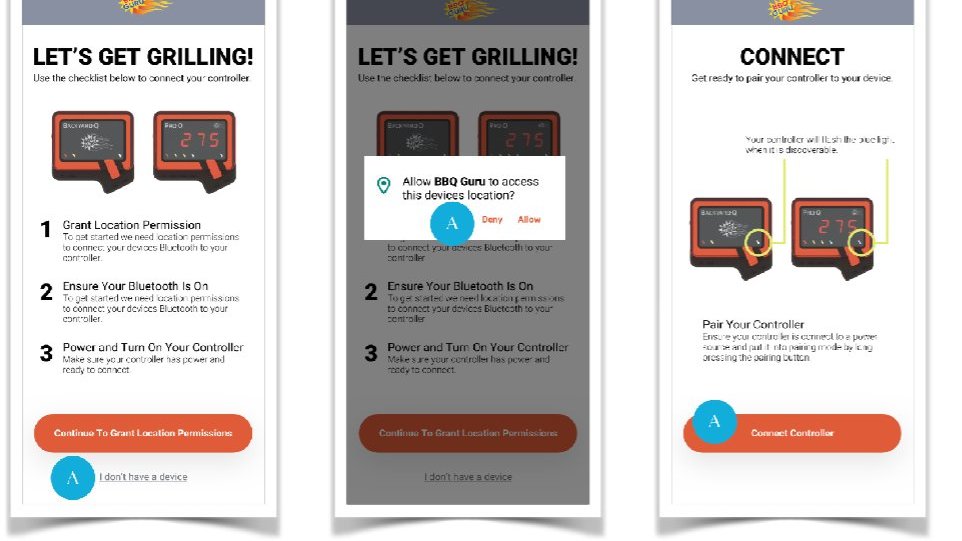
Working Prototype
A clickable prototype before design meant the client, firmware team and developers agreed on what the app did before paying to build it.
Frank’s Take
When a brand launches something new, the piece everyone is talking about is rarely the hard part. Here it was the app. The hard part was getting the people who own the device, the firmware and the software to plan one product together, before anything got locked into hardware. That’s true whether you’re launching a connected grill, a new product line or a brand into a new market. The expensive mistakes are the ones that get built in before anyone sees the whole picture.